Prefabricated UHPC elements deliver outstanding structural strength and reliability
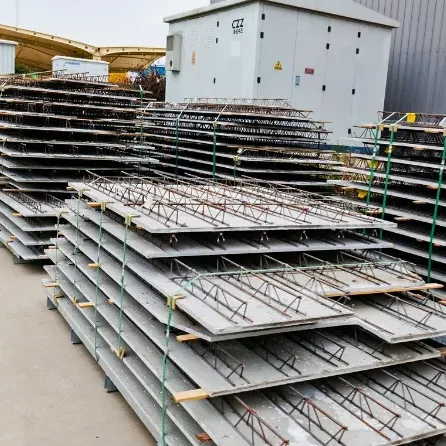
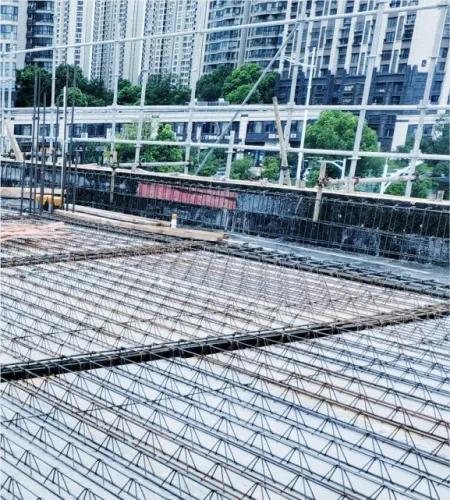
Prefabricated UHPC elements are specifically engineered to achieve exceptional structural strength and long-term reliability in demanding construction environments. By utilizing ultra-high performance concrete, prefabricated UHPC elements provide significantly higher compressive strength, tensile capacity, and flexural performance than conventional precast concrete components. This allows designers to reduce section thickness while maintaining excellent load-bearing capacity and safety margins. In real-world applications, prefabricated UHPC elements help decrease structural self-weight, optimize load transfer, and improve overall building efficiency. Their reliable mechanical performance makes prefabricated UHPC elements especially suitable for high-rise buildings, long-span structures, and infrastructure projects where structural precision and durability are critical. Engineers value prefabricated UHPC elements for their predictable behavior, reduced cracking risk, and superior resistance to structural fatigue over long service periods.
Prefabricated UHPC elements support flexible and innovative architectural design
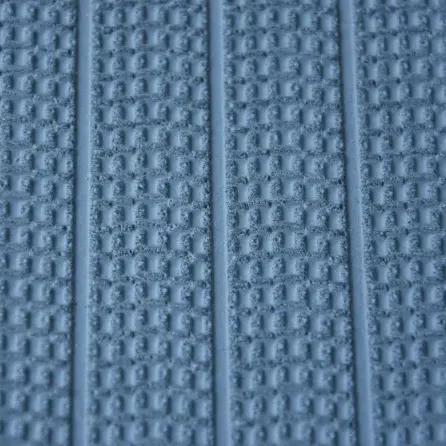
Prefabricated UHPC elements offer architects greater freedom to explore innovative forms and refined aesthetics. Thanks to the high strength of UHPC materials, prefabricated UHPC elements can be produced in ultra-thin profiles, large-format panels, and complex geometries that are difficult to achieve with conventional concrete. Surface textures, colors, and finishes can be customized to meet specific design visions, ranging from minimalist modern facades to expressive architectural features. Prefabricated UHPC elements allow designers to combine structural performance with visual impact, supporting both functional and aesthetic objectives. This flexibility makes prefabricated UHPC elements an attractive choice for landmark buildings, commercial developments, and high-end architectural projects seeking distinctive design solutions.
Prefabricated UHPC elements reduce total life-cycle costs for projects
life with reduced maintenance demands. Although prefabricated UHPC elements deliver high mechanical performance, their durability minimizes expenses related to repairs, surface treatments, and replacements over time. Building owners benefit from fewer operational disruptions and more predictable maintenance planning. In addition, the fast installation and reduced labor requirements associated with prefabricated UHPC elements help lower construction-phase costs. When evaluated over the full life span of a building or structure, prefabricated UHPC elements often provide superior economic value compared with traditional concrete systems, making them a cost-efficient solution for long-term investment projects.
Prefabricated UHPC elements ensure consistent quality through factory-controlled
Prefabricated UHPC elements are manufactured under strict factory-controlled conditions, ensuring a high level of quality consistency across all production batches. Unlike on-site concrete casting, prefabricated UHPC elements benefit from precise material dosing, controlled mixing procedures, standardized curing environments, and systematic quality inspections. This controlled process significantly reduces variations in strength, density, and surface appearance. As a result, prefabricated UHPC elements achieve accurate dimensions, smooth finishes, and repeatable performance that meet both engineering and architectural standards. For large projects requiring uniform facade panels, floor slabs, or structural components, prefabricated UHPC elements provide a dependable solution that minimizes on-site uncertainty. The factory production model also improves traceability and quality documentation, which is increasingly important for modern construction and international projects.