Ultra High Performance Concrete Enables Innovative Architectural Design
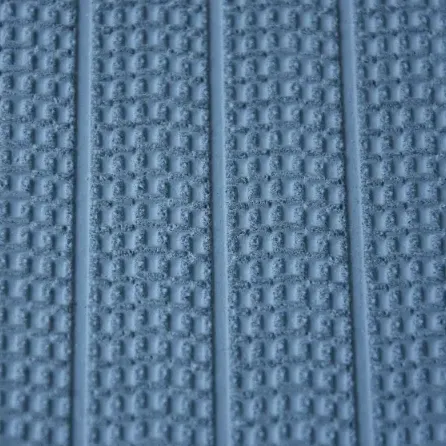
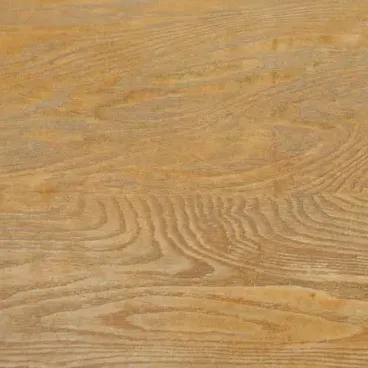
The versatility of ultra high performance concrete allows architects and engineers to achieve bold, complex, and visually striking designs. Its excellent flowability, fiber reinforcement, and precision casting capabilities make it suitable for ultra-thin panels, custom-shaped facade elements, countertops, and decorative precast components. Ultra high performance concrete can be molded into intricate patterns, textured surfaces, and smooth finishes, offering unparalleled design freedom compared to traditional materials. The combination of aesthetics and structural strength enables the creation of cantilevered elements, large overhangs, and sculptural designs without sacrificing safety. This flexibility makes ultra high performance concrete the material of choice for high-end commercial, public, and residential projects that demand both functionality and modern design excellence.
Ultra High Performance Concrete Reduces Structural Weight and Material Usage
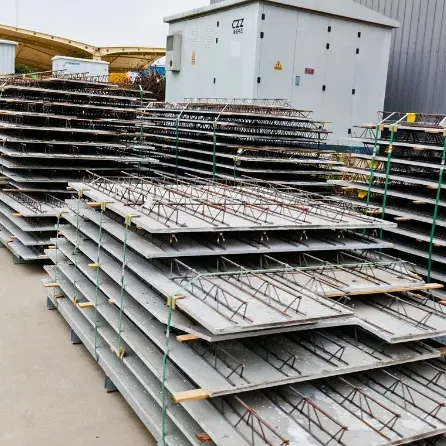
The exceptional mechanical properties of ultra high performance concrete allow engineers to design thinner slabs, panels, and structural components without compromising strength or safety. This reduces dead load on supporting structures and foundations, enabling lighter construction and more efficient resource use. The reduced material requirements also contribute to sustainability by lowering cement consumption, energy usage, and carbon footprint. Ultra high performance concrete is commonly applied in ultra-thin composite slabs, precast elements, facade panels, and countertops where high strength, durability, and reduced weight are critical. Its combination of structural efficiency and material economy makes ultra high performance concrete a strategic choice for modern architecture and infrastructure projects.
Ultra High Performance Concrete Ensures Superior Durability and Longevity
Ultra high performance concrete is designed to withstand the harshest conditions, providing exceptional durability and a long service life. Its dense microstructure significantly reduces permeability, which protects against water infiltration, chloride attack, chemical corrosion, and freeze-thaw cycles. Unlike ordinary concrete, ultra high performance concrete resists cracking, abrasion, and weathering, ensuring that structural elements maintain their strength and appearance for decades. This durability minimizes maintenance requirements and overall lifecycle costs, making it ideal for critical infrastructure projects, industrial flooring, bridges, and coastal constructions. By choosing ultra high performance concrete, developers and contractors ensure that structures remain safe, durable, and visually appealing under extreme environmental stresses, providing a cost-effective and long-term solution.
Ultra High Performance Concrete Provides Exceptional Strength for Modern
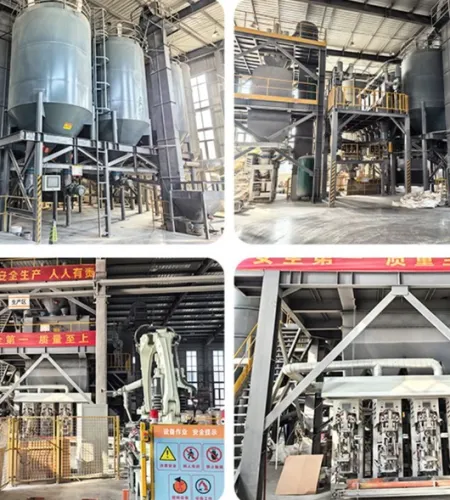
Ultra high performance concrete is renowned for its extraordinary compressive strength, which often exceeds 150 MPa, far surpassing traditional concrete. This exceptional strength allows engineers to design thinner, lighter, and more innovative structural components while maintaining safety and stability. By integrating high-quality cementitious materials, micro-silica, fine aggregates, fibers, and chemical admixtures, ultra high performance concrete achieves remarkable structural performance and longevity. Its superior strength also enables longer spans, reduces the number of supporting elements, and allows for sleeker, more efficient architectural designs. Applications include high-rise buildings, bridges, precast panels, flooring systems, and complex architectural features where both structural reliability and aesthetic appeal are required. Using ultra high performance concrete helps optimize material usage and construction efficiency, making it a preferred solution for modern infrastructure and urban development projects.