
In modern architectural design, Ultra-High Performance Concrete (UHPC) is highly regarded for its exceptional strength and aesthetic expressiveness. It allows architects to push the boundaries of what is possible, creating structures that were once deemed impossible. However, the greatest challenge many project managers and developers face in the early stages is how to conduct effective budget planning while balancing ambitious design visions with financial reality.
Part 1: Strategic Budget Planning for UHPC Projects
Budgeting for a UHPC project is not a "one-time" decision but a systemic engineering process. To ensure your project remains financially viable without compromising on quality, consider these four foundational steps:
- Define the Core Requirements: The applications of Ultra-High Performance Concrete are incredibly broad, ranging from minimalist curtain wall cladding to complex, irregularly shaped structures. Defining your priorities early is essential: Are you pursuing extreme thinness (ultra-thin panels), high wear resistance (flooring), or intricate curved geometries (artistic sculptures)? Clarifying these helps in making strategic trade-offs during material selection to optimize costs.
- Integrate Design with Production Standardization: A major source of budget leakage is "non-standard" design. Whenever possible, adopt modular and standardized unit designs. This significantly reduces mold costs and improves factory output efficiency. Consulting a technical team during the preliminary design phase helps find the optimal balance between "form" and "cost."
- Account for Life-Cycle Logistics Costs: For international procurement, logistics represent a significant hidden cost. Due to the density and relative fragility of UHPC components, packaging is critical. We recommend setting aside 10-15% of the budget for logistics and export packaging, choosing a supplier with extensive international experience to avoid delays caused by transit damage.
- Allocate a Contingency Fund: Regardless of how perfect the planning is, changes in the on-site installation environment often lead to additional expenses. It is advisable to reserve 5% of the total budget as a contingency fund for small-scale corrections or unexpected breakage during installation.
Part 2: Decoding the 5 Key Factors Affecting Procurement Costs
Once the initial budget is set, many developers ask: "Why is there such a massive discrepancy in UHPC quotes between different proposals?" Understanding the "why" behind the numbers is crucial for effective procurement. The price is typically driven by five critical factors working in tandem:
- Formula Complexity: Not all UHPC is created equal. Meeting specific performance indicators—such as frost resistance, seismic durability, or ultra-high compressive strength—requires specialized R&D and higher-grade raw materials, which dictate the base quote.
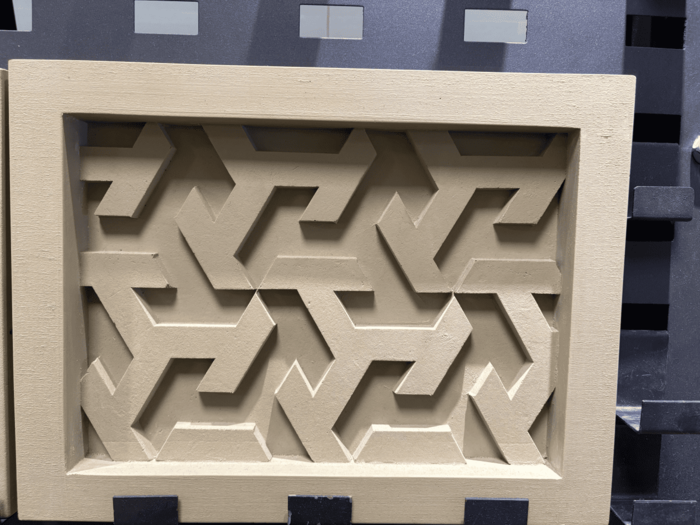
- Geometric Complexity and Mold Costs: This is the most significant cost variable. While linear and flat panels require minimal investment, complex irregular surfaces or organic curves necessitate CNC precision-machined molds, drastically increasing labor and manufacturing expenses.
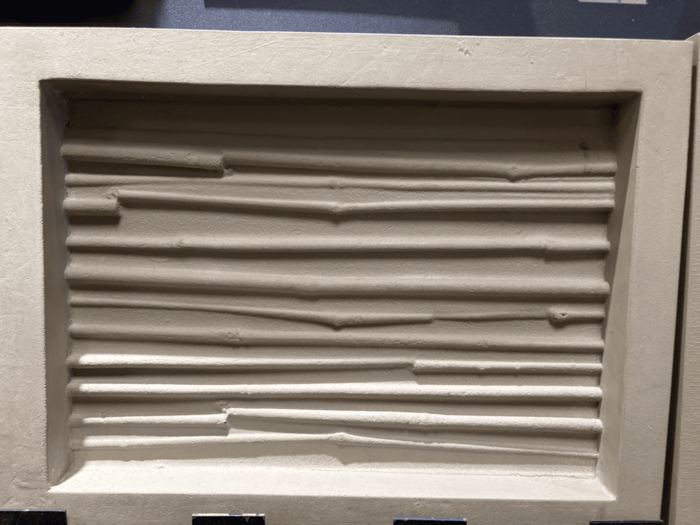
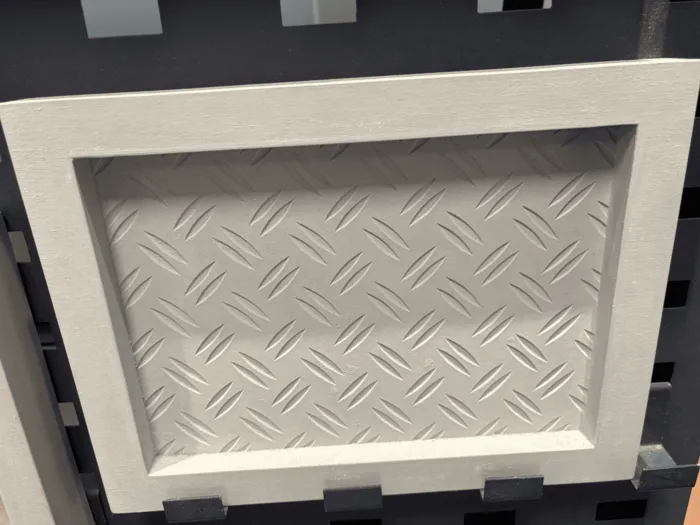
- Surface Texture and Finishing: The aesthetic appeal often stems from surface treatments. Whether it is a polished finish, acid-washed, sandblasted, or custom color, every additional processing step extends production time.
- Economies of Scale: Because mold development involves high fixed setup costs, the unit price for small-batch orders is inevitably higher. We recommend consolidating similar component designs to reduce the amortized cost per unit.
- International Logistics and Export Packaging: As an export product, UHPC requires shockproof, waterproof, and reinforced wooden crate packaging. These specifications directly impact the final landed cost and safety of the cargo.
By understanding these factors, you can control costs during the initial design phase by adjusting parameters, rather than feeling reactive once the quotes arrive.
Part 3: UHPC vs. Traditional Concrete—A Long-Term Value Comparison
While the procurement factors mentioned above might make UHPC seem like a premium investment compared to traditional concrete (C30/C40), it is vital to look beyond the initial unit cost. When evaluating the Total Cost of Ownership (TCO) over a building’s entire life cycle, Ultra-High Performance Concrete proves to be a strategic, cost-saving choice for three major reasons:
- Minimal Maintenance Costs: Traditional concrete often weathers, cracks, or exhibits efflorescence within a few years, requiring frequent cleaning and repairs. The extreme density of UHPC renders it nearly "maintenance-free" with superior stain resistance.
- Extended Service Life (Asset Longevity): Traditional materials typically have a renovation cycle of 15–20 years, whereas UHPC has a design life exceeding 50 years. You pay for the UHPC once, while traditional concrete may require multiple costly renovations that far outweigh the initial material price difference.
- Structural Savings through Lightweighting: The high strength of UHPC allows for significantly thinner cross-sections (3–5 cm). This reduces the overall dead load of the building, allowing for smaller foundations and fewer load-bearing beams, saving on total steel and bulk concrete consumption for the entire project.
Conclusion: The "Value Choice" for Future-Proof Architecture
If your focus is limited to the investment of the next five years, traditional concrete may appear economical. However, if you are considering project value and asset maintenance over the next 20 to 50 years, UHPC is undeniably the "value choice."
At Zhuliyuan, we specialize in providing "Value Engineering" advice that aligns your architectural vision with your budget. We invite you to involve us early in your design process to ensure your project is built for both beauty and longevity.
Elevate Your Next Project with Zhuliyuan’s Expertise
Are you looking for a solution that balances aesthetics with long-term durability? Partner with Zhuliyuan to unlock the full potential of Ultra-High Performance Concrete.
- Explore More Case Studies: See how we have solved technical challenges for premium developers worldwide.
- Request a TCO Analysis: Let our consultants provide a customized Total Cost of Ownership report for your project.
- Contact Our Technical Team: Get detailed specifications on our high-performance UHPC solutions.